Discover the Apple iPhone 18 Pro exceptional camera performance with a score of 172, featuring improved dynamic range, stabilization, and variable aperture.
182 comments
Edit: e.g. the tree in one of the images in the page: https://www.dxomark.com/wp-content/uploads/2026/09/PoleHDR_D...
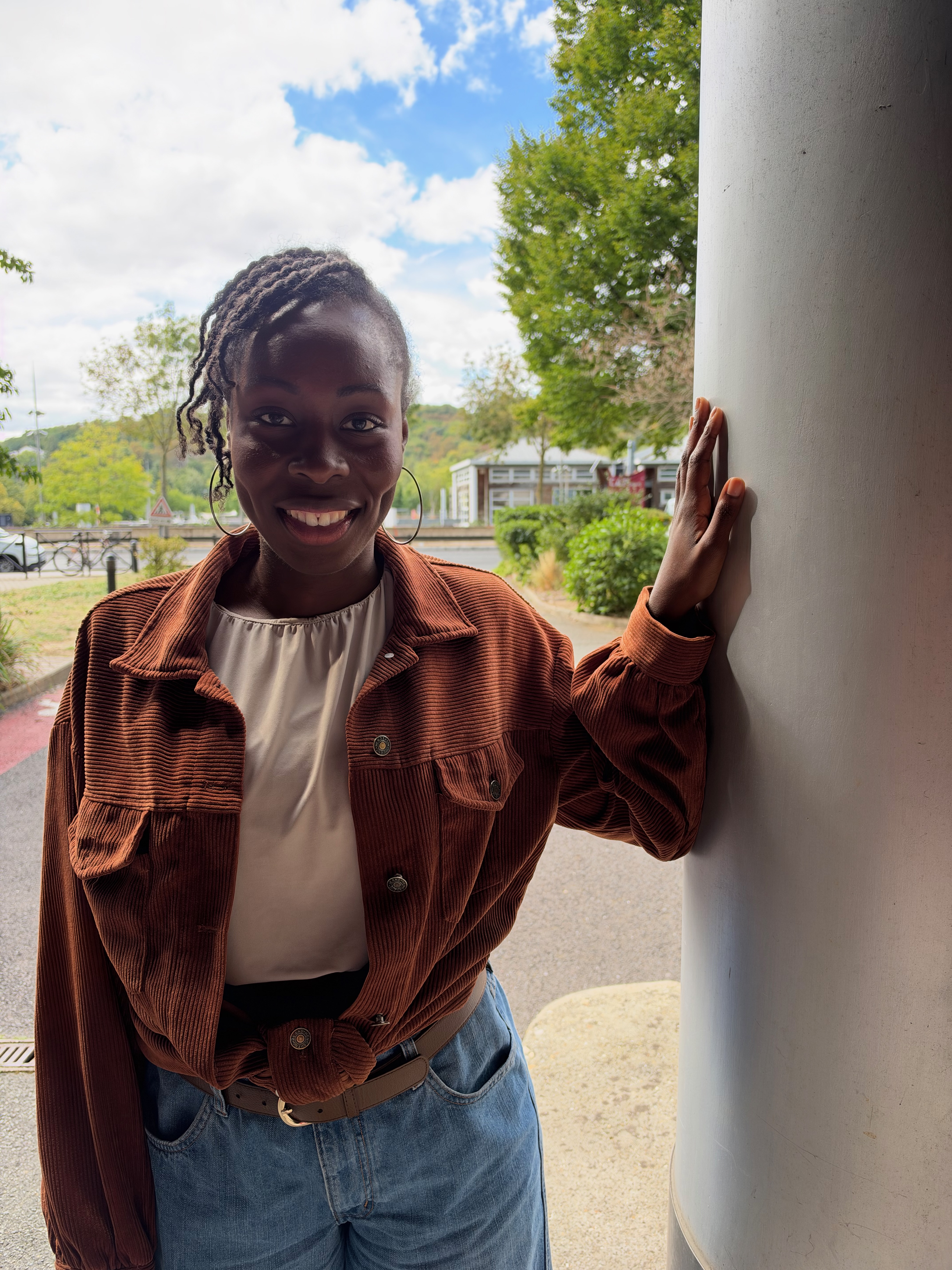
Odd bokeh was one of the risks of adding a mechanical aperture, and bokeh is very often weirdest at the first or second down from open.
I would hope that the telephoto lens does not show this so severely (because it has a fixed round aperture) but all mobile phone lenses in my experience have had a tendency towards a sort of concentric-ringed, quasi-soap-bubble bokeh; it's a common part of the challenge of really tiny optics (that you either like or dislike). (The iPhone X was really distinctive in this regard). So it's not too surprising to see the aperture do this on top of that.
As a general rule you don't see it in average images, but I guess sensors are now high-enough resolution that it's becoming more obvious, and the blades of a mechanical aperture might make it quite noticeable in some situations.
Heavily ringed bokeh just comes from the optics.
Why? Where can I read/learn more about this?
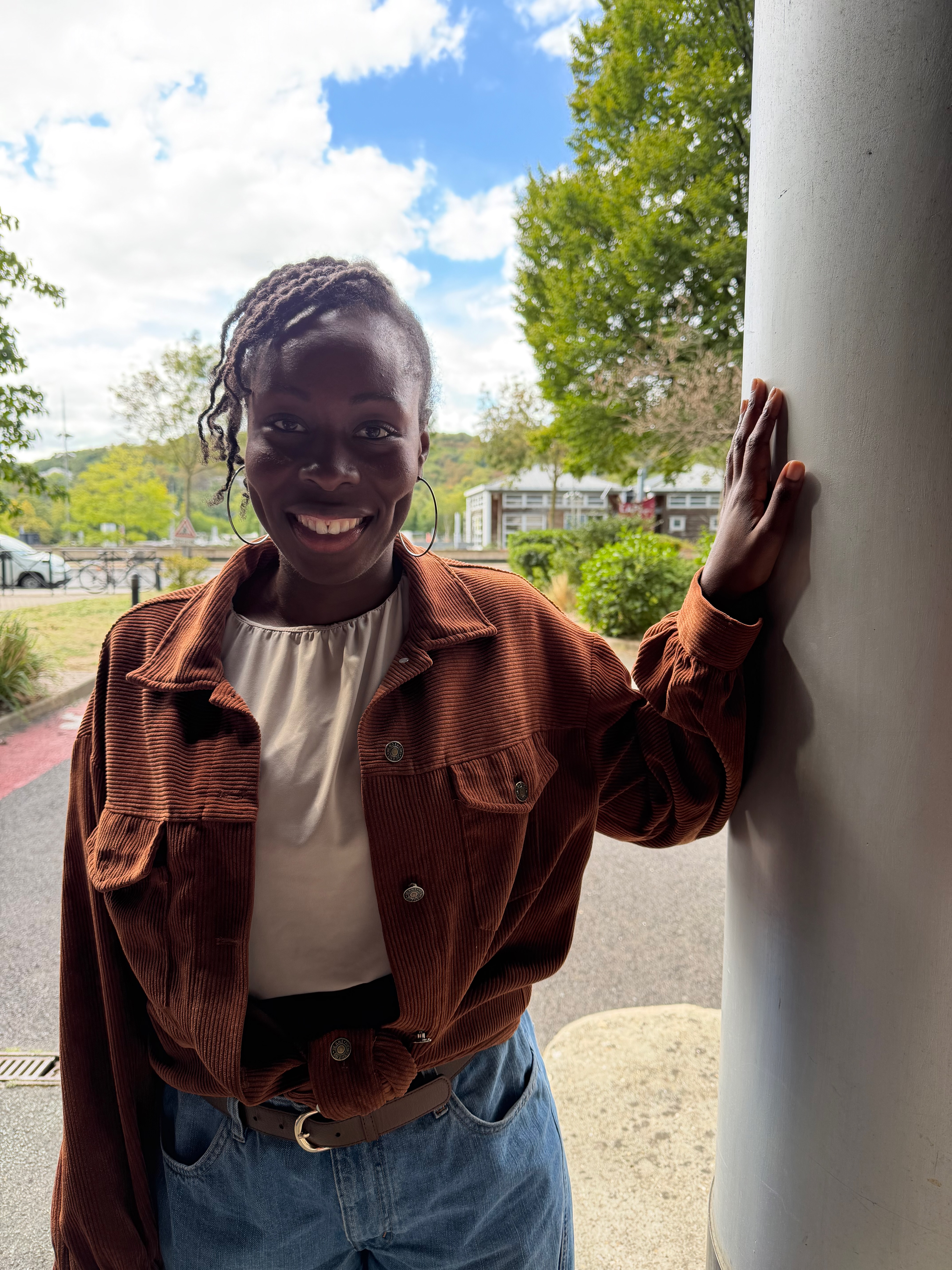
PetaPixel reviewed the bokeh, and called it "meh" and "not very nice". [1]
A lot of the iPhone reviews are very rushed in order to have a review ready by the time the embargo is lifted. I think the PetaPixel review is quite thorough given the limited amount of time they had to actually use it.
Previously the blur on iPhone was all software, apparently. I've set mine to do wide open with no bokeh, and i'll put it in after.
But to be honest, the iPhone is the camera I have on me, so the limits are acceptable. Can I force focus it? No. Can I get the glow? No. But iPhone + zoom + crop is better in some ways than my 50mm 1.2 with bokeh.
The average user may not understand the technical details of bokeh but they will certainly have an opinion on what is pleasing to the eye.
You can’t have bokeh without blur but you can have blur without bokeh.
Well, yeah. f1.2 is a nice gimmick but opening up so wide rarely translates into better photos. Don't get me wrong - you can get some beautiful portraits with that lens. But in practice, my 24-70 f2.8 zoom lens gets way more use than a 50mm prime.
There's a reason high end phones have multiple cameras on them. It's because not every photo wants to be taken at the same focal length.
I'd much rather a mirrorless camera with a 24-70 than an iphone. A mirrorless camera with just a 50mm prime will take some beautiful photos. And some photos you won't be able to capture at all.
I mean, consumers would probably just know it as "nice and pleasing blurred background", versus "this blurred background isn't as nice".
Yes. There are many camera apps with manual focus. Just not the default app.
DXOMARK sells test equipment and consulting services for (among others) camera tuning.
Naturally, they won't attack the image quality of a customer who purchased their test equipment and/or consulting service (usually not publicly known who did that), so they often tone down some of their statements when they review a device (and shift the attention to other areas).
Always interesting to check out the scores of DXOMARK competitors in parallel, e.g. VCX[0] which strives for an objective scoring scheme (but didn't test the device yet, indicating that they at least didn't have an early sample)
the difference will be in things like low-light, telephoto lenses, video capability, HDR, and lots of other things that don't show up in most photos (including that one)
I wish there is some tech in the pipeline, that in the next 5 - 10 years we could get decent pictures quality without the huge bump.
With video OTOH, the improvements are much more noticeable. I also suspect that is why Apple focuses so much on video as its a harder problem to solve and so much easier to differentiate your hardware from competitors.
Where are the measurements? All I see are vague generalities like "well-rendered images with improved contrast and natural-looking skin tones". I guess those are the "perceptual analyses"? Is there a "See full measurements" button I'm missing? How do they come up with numbers like "157 Portrait", "172 Outdoors"?
https://www.dxomark.com/wp-content/uploads/2025/06/AppleiPho...
and then more context, especially for the less objective categories, in this test protocol description:
https://www.dxomark.com/smartphone-camera-image-quality-test...
It was a little annoying to find (About Us > How We Test) but not awful I suppose.
I am quite sure they have those analysis behind a paywall.
The site IS the one calculated score and calming marketing. I am not sure what you are referring:
- the studio photos are not provided
- those seemingly same images have slightly different angle what is actually a huge difference, AND only for 2-3 phones, not for all
PS: e.g. different clouds on the portrait example: huge dynamic difference
But recently he seems to prefer fire or stadium audiences in the background.
Read the full thread on Hacker News →
Related stories
- Can John Ternus find Apple’s next big thing?theverge.comThe Verge · 0 points · 9 days ago
- Ars Technica · 0 points · 5 days ago
- Ars Technica · 0 points · 7 days ago
- Hacker News · 1 points · 1 day ago
- The Verge · 0 points · about 9 hours ago
- Can Apple Home’s AI camera features outsmart Amazon’s and Google’s? I put them to the testtheverge.comThe Verge · 0 points · 6 days ago